U.S. Reaffirms Commitment to Conditions-Based OPCON Transition to South Korea
The U.S. has reiterated its commitment to a conditions-based transfer of operational control to South Korea amidst ongoing security concerns.
The U.S. has reiterated its commitment to a conditions-based transfer of operational control to South Korea amidst ongoing security concerns.
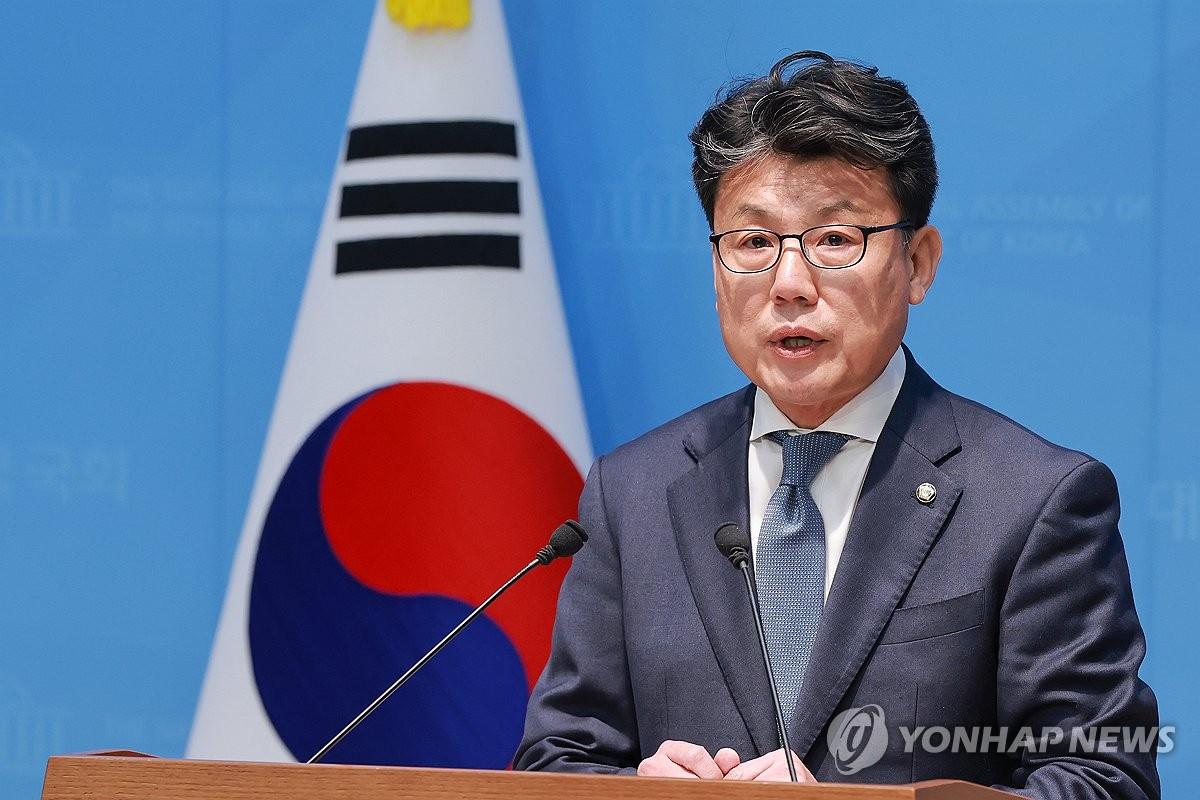
On November 8, 2026, U.S. officials reaffirmed their commitment to a conditions-based transition of wartime operational control (OPCON) to South Korea. This announcement came from Jin Sung-joon, a lawmaker from the ruling Democratic Party, following his recent visit to the U.S. Pacific Command in Hawaii.
During a press conference, Rep. Jin emphasized that the existing agreement between the U.S. and South Korea remains unchanged and that the conditions for the transfer have not altered. He noted that U.S. officials recognized that various policy-related factors could influence the transfer process but confirmed that the current agreement stands firm.
Additionally, the lawmaker clarified that the postponement of the upcoming South Korea-U.S. Security Consultative Meeting (SCM) until next year was unrelated to any disagreements over the OPCON transfer, attributing it solely to scheduling conflicts.
The operational control of South Korean forces during wartime has been a significant issue since the Korean War, with the U.S. initially taking command. South Korea regained peacetime OPCON in 1994, but wartime control remains with the U.S. The current administration aims to regain full wartime OPCON by 2030.
Rep. Jin's discussions with U.S. military leaders focused on enhancing bilateral security cooperation and the future of the alliance, underscoring the importance of collaboration in addressing regional security challenges.
Where it matters
Related coverage

Nvidia CEO's Daughter Cancels Planned Visit to South Korea

92% of South Korean Firms in Vietnam Wish to Stay Despite Rising Labor Costs
U.S. Military Officials Visit HD Hyundai Shipyard