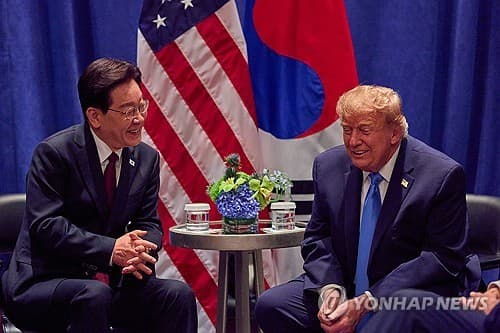
What's Next for Trump's Korea Policy After U.S. Midterms?
Experts analyze the implications of the U.S. midterm elections on Trump's Korea policy.
Experts analyze the implications of the U.S. midterm elections on Trump's Korea policy.
As the U.S. midterm elections approach, experts are evaluating how the outcomes may influence President Donald Trump's policy towards South Korea and North Korea. Despite potential shifts in congressional oversight, many analysts believe that the fundamental U.S.-South Korea alliance will remain intact.
Ellen Kim from the Korea Economic Institute of America suggests that while Democratic gains could lead to increased scrutiny of Trump's policies, the overall impact on U.S.-ROK relations will be limited. She emphasizes that the executive branch holds substantial trade authority, complicating any attempts by Congress to alter tariffs.
Concerns about Trump's transactional approach to foreign policy persist, with former ambassador Robert Rapson warning of ongoing turbulence in the alliance. Various issues, including tariffs and defense burden-sharing, could create friction regardless of the election results.
Experts also speculate that a Republican loss might push Trump to seek diplomatic breakthroughs with North Korea, potentially increasing engagement with Kim Jong-un. However, the effectiveness of such efforts will largely depend on North Korea's willingness to negotiate.
In summary, while the midterm elections might influence specific aspects of U.S. policy towards Korea, the overarching alliance dynamics are expected to remain stable, with both countries needing to navigate their priorities carefully.
Where it matters
Related coverage
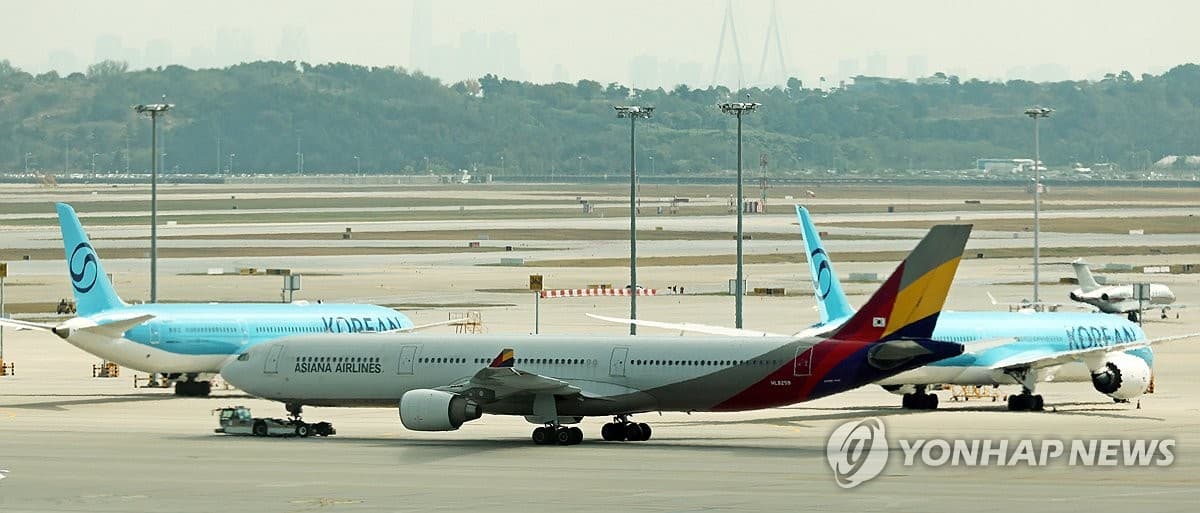
South Korea to Expand International Flights for Winter Season
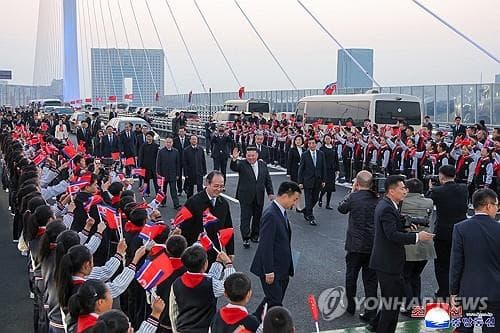
North Korean Leader Kim Jong-un Strengthens Ties with China During Dandong Visit
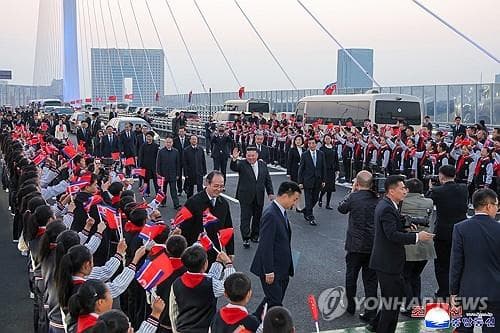
North Korean Leader Kim Jong-un Strengthens Ties with China in Dandong Visit