
South Korea's Economy Grows 0.6% in Q2 as Chip Exports Surge
South Korea's GDP expanded 0.6% quarter-on-quarter in the second quarter of 2026, far outpacing the central bank's 0.2% forecast, as a record-breaking semiconductor export boom outweighed weakness in construction and Middle East-related disruptions.
South Korea's GDP expanded 0.6% quarter-on-quarter in the second quarter of 2026, far outpacing the central bank's 0.2% forecast, as a record-breaking semiconductor export boom outweighed weakness in construction and Middle East-related disruptions.
South Korea's economy grew faster than expected in the second quarter of 2026, as a surge in semiconductor shipments abroad helped the country shake off drags from a sluggish construction sector and lingering Middle East tensions. Real gross domestic product rose 0.6 percent from the previous quarter, roughly triple the 0.2 percent pace the Bank of Korea had projected earlier this year.
The upside surprise was driven largely by exports, which posted their strongest month on record in June. Outbound shipments reached $102.25 billion for the month, a 70.9 percent jump from a year earlier, according to trade data cited in the GDP release. Semiconductors were the standout performer, with chip exports nearly tripling year-on-year to $44.82 billion as global demand for advanced memory and logic chips continued to run hot.
The chip-driven rally more than offset weakness elsewhere in the economy. Construction investment remained a drag on growth, reflecting a prolonged slump in housing starts and project financing that has weighed on builders for several quarters. Disruptions tied to tensions in the Middle East also created headwinds, adding uncertainty to shipping costs and energy prices even as manufacturers pushed record volumes of goods overseas.
The stronger-than-expected reading has prompted the Bank of Korea to signal that it may need to revise up its full-year growth outlook for 2026, after having penciled in a far more modest expansion earlier in the year. Policymakers had built their previous forecasts around a gradual recovery in exports, but the scale of the semiconductor boom appears to have outpaced even the central bank's more optimistic scenarios.
Economists say the results underscore just how central the chip industry remains to South Korea's growth story, with global memory chipmakers benefiting from robust demand tied to artificial intelligence infrastructure and data center buildouts. At the same time, analysts caution that the economy's reliance on a single export category leaves it exposed to any sudden downturn in global chip demand or pricing.
Attention now turns to whether the export momentum can be sustained through the second half of the year, particularly as global trade faces potential headwinds from shifting tariff policies and ongoing geopolitical risks. The Bank of Korea is expected to update its official growth projections in its next policy review, with markets watching closely for signs of how much of the second-quarter strength will carry through to the rest of 2026.
Related companies
Where it matters
Related coverage

SK Hynix Shares Slide Despite Record Profit as AI Chip Demand Fails to Meet Sky-High Expectations
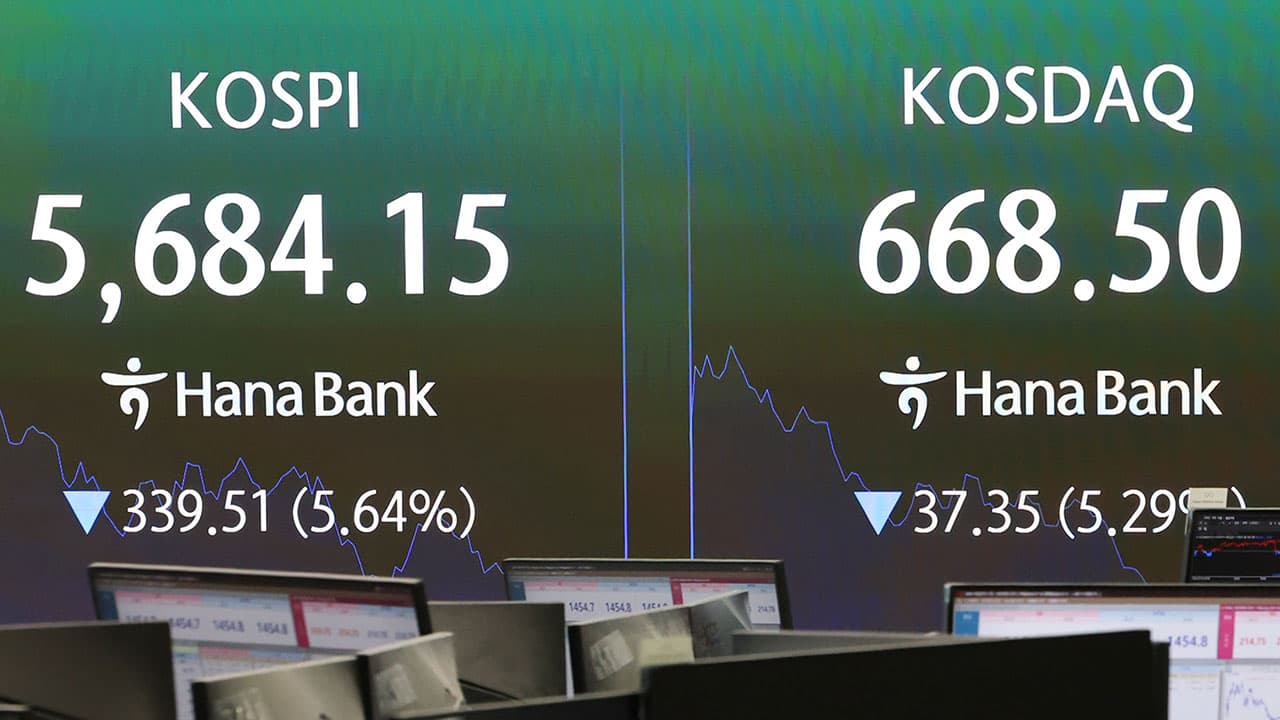
KOSPI, KOSDAQ Trigger Sell-Side Sidecar for Second Time This Week Amid Sharp Reversal

Will the Bank of Korea Raise Rates Again in August After Its July Hike?
AI Chip Boom Puts SK Hynix, Samsung and Kioxia Earnings in the Spotlight
SK Hynix and Samsung Electronics are preparing to report earnings that will gauge investor confidence in memory chips, as rising high-bandwidth memory prices and the rollout of HBM4 ease worries about a second-half slowdown.