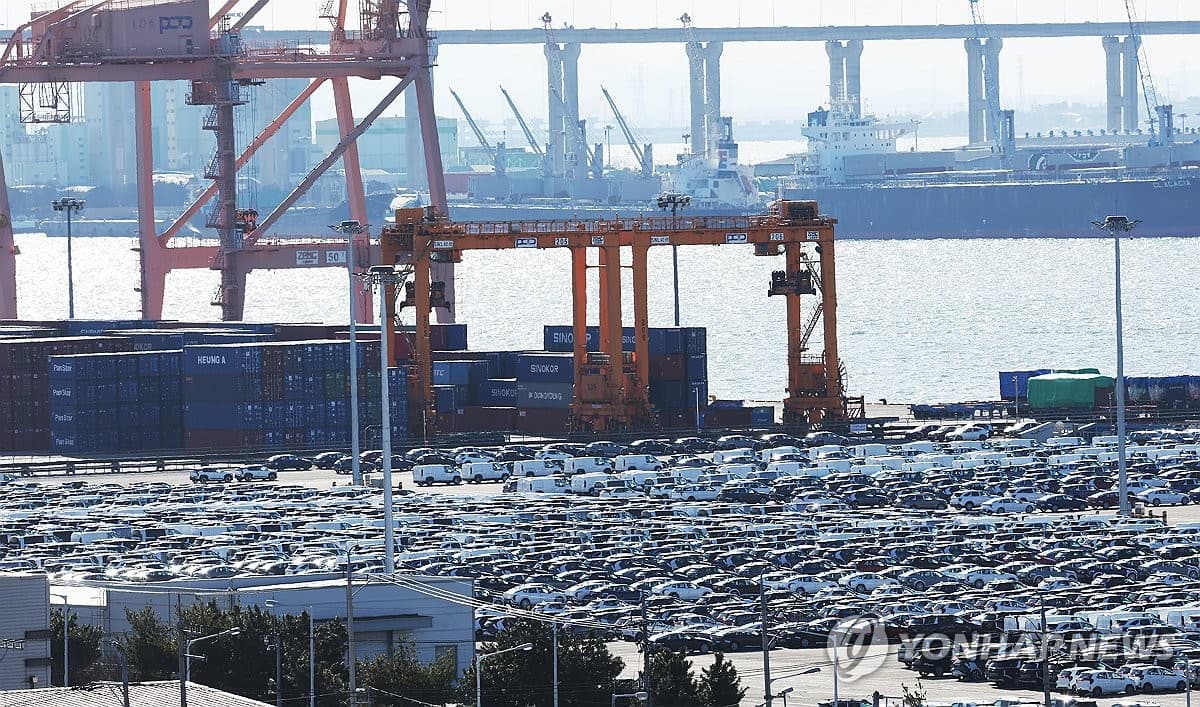
South Korea's Auto Exports Decline 5.5% in September Amid Middle East Tensions
South Korea's automobile exports dropped by 5.5% in September due to ongoing Middle East tensions.
South Korea's automobile exports dropped by 5.5% in September due to ongoing Middle East tensions.
South Korea's automobile exports experienced a notable decline of 5.5% in September compared to the same month last year. This downturn is primarily attributed to persistent tensions in the Middle East, which have begun to impact the country's overall trade balance.
According to data released by the Ministry of Trade, Industry and Resources, the total value of automobile exports fell to $6.05 billion, down from $6.4 billion in September 2025. The ministry highlighted that escalating geopolitical tensions and a decrease in used-car shipments due to stricter regulations in key export markets have contributed to this decline.
Regionally, exports to North America and the European Union saw increases of 9.2% and 15.3%, reaching $3.07 billion and $1.11 billion, respectively. However, shipments to Asia and the Middle East plummeted by 60% and 7.1%, standing at $330 million and $350 million, respectively.
On a positive note, exports of eco-friendly vehicles, including battery electric and hybrid models, rose by 5.9% to $2.89 billion. Meanwhile, domestic vehicle sales fell by 14.3% to 135,000 units, largely due to fewer working days during the Chuseok holiday.
The government has expressed its commitment to supporting the sustainable growth of the automobile industry, especially as competition from Chinese automakers intensifies. The ministry aims to engage closely with industry stakeholders to navigate these challenging times.
Related companies
Where it matters
Related coverage
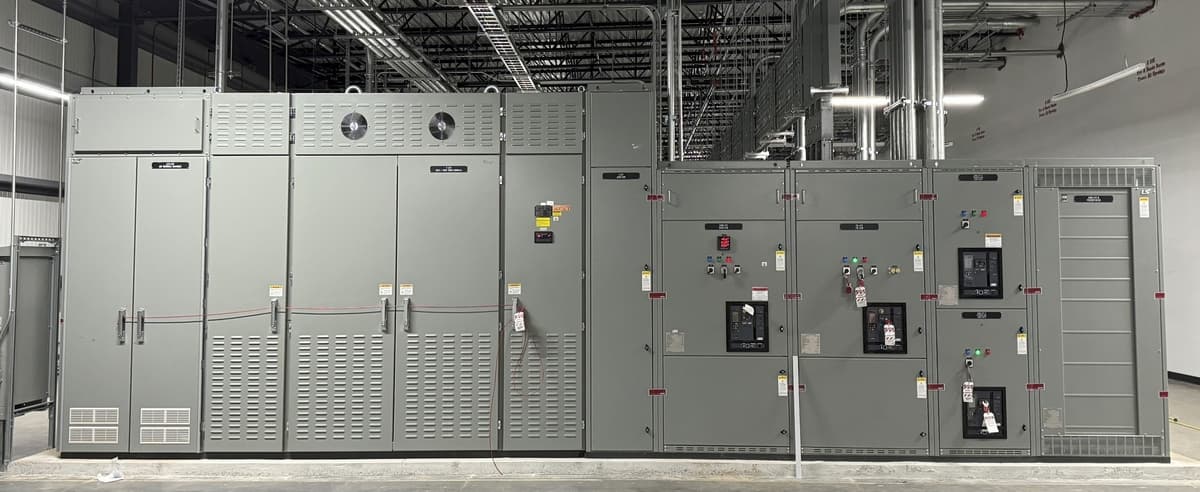
LS Electric Secures 170 Billion Won Switchgear Deal in the U.S.
SK hynix and South Korean Government to Provide 2 Trillion Won in Loan Guarantees
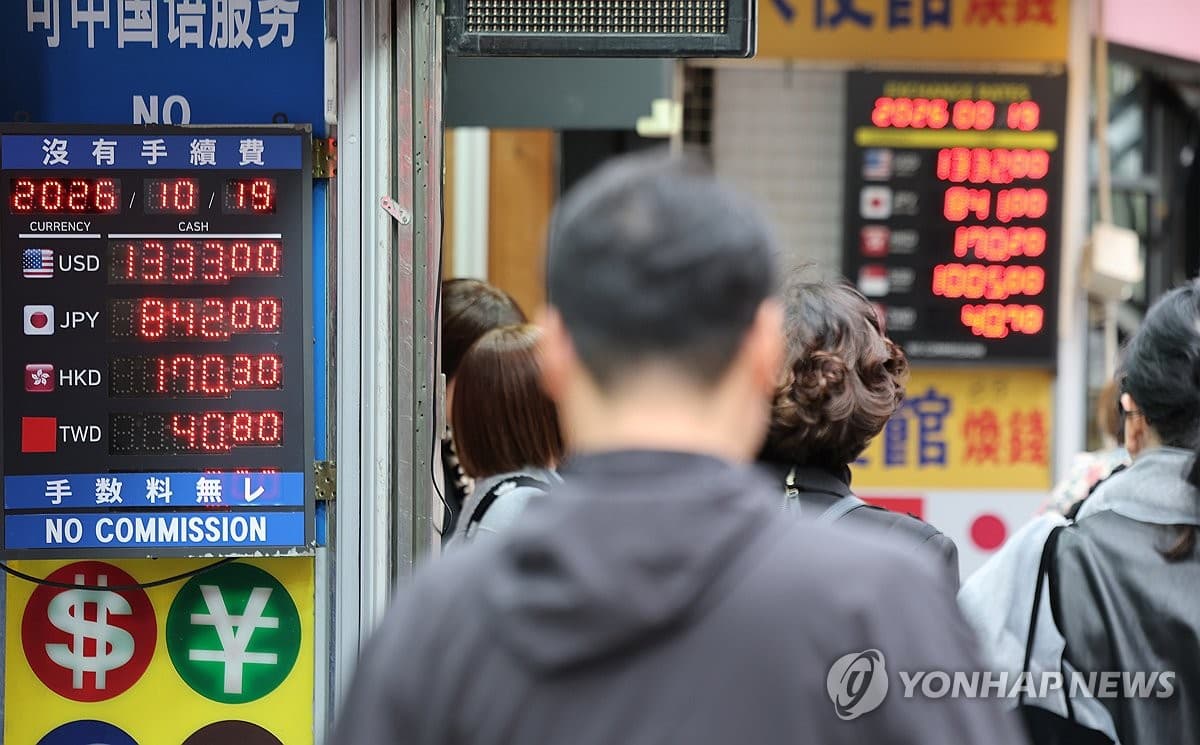
S. Korean Won Hits Over 2-Year High Against U.S. Dollar
IMF Projects Increase in South Korea's Potential Growth Rate
The IMF forecasts a rise in South Korea's potential growth rate over the next two years.