SK Telecom Accelerates AI Data Center Expansion, Eyes Southeast Asia
SK Telecom unveiled plans to scale its Ulsan AI data center to 1 gigawatt capacity and expand into Vietnam, as the carrier pushes to become a full-stack AI data center developer.
SK Telecom unveiled plans to scale its Ulsan AI data center to 1 gigawatt capacity and expand into Vietnam, as the carrier pushes to become a full-stack AI data center developer.
SK Telecom has laid out an ambitious roadmap to expand its artificial intelligence data center (AIDC) business at home and abroad, positioning the carrier as a full-stack developer capable of designing, building and operating AI infrastructure. Newly appointed CEO Jung Jaihun outlined the strategy during a keynote at the SK AI Summit 2025, framing it as central to the company's shift toward becoming an AI-driven business. At the heart of the plan is a major upgrade to the Ulsan AI data center, which SK Telecom intends to scale up to a 1-gigawatt capacity backed by dedicated energy solutions. The company said it wants to replicate that model across additional sites and attract foreign capital into Korea's AI infrastructure, with the goal of turning the country into a leading AI hub for Asia. In October, SK Group signed a memorandum of understanding to build a new AIDC in southwestern Korea, adding to existing facilities in Gasan and Ulsan. Jung said global partners have started taking notice of SK Telecom's data center capabilities following the Ulsan project, adding that the company is "laying the foundation" for Korea to become Asia's AI infrastructure hub. The carrier also plans to take its AIDC model overseas for the first time, starting with Vietnam, where it will team up with SK Innovation to build a liquefied natural gas-powered facility that uses cold energy for cooling. To support the buildout, SK Telecom has entered a long-term research and development partnership with Amazon Web Services, pairing its infrastructure know-how with AWS's cloud technology. The carrier is also working with Nvidia, government bodies and academic institutions to demonstrate AI-RAN technology, and plans to acquire more than 2,000 Nvidia RTX PRO 6000 Blackwell GPUs to build a manufacturing-focused AI cloud that will support SK Hynix's AI transformation efforts. As part of becoming a full-stack developer, SK Telecom said it will bring AIDC design, construction and operations in-house and commercialize a solution package combining four technologies: out-rack systems for cooling, power and security; clustering solutions for server interconnection; in-rack systems to boost server efficiency; and energy solutions for power and thermal management. The push comes as SK Telecom's AI business gathers momentum. The company reported that its AI operations grew 35.7% year-on-year in the third quarter, with the AIDC unit generating 149.8 billion won (about $104.7 million) in revenue, helped by its acquisition of the Pangyo Data Center and a GPU leasing support program. SK Telecom has also moved to consolidate its previously scattered AI operations under a new AI company-in-company structure, underscoring its intent to make AI infrastructure a core pillar of future growth.
Related companies
Where it matters
Related coverage

SK Hynix Shares Slide Despite Record Profit as AI Chip Demand Fails to Meet Sky-High Expectations
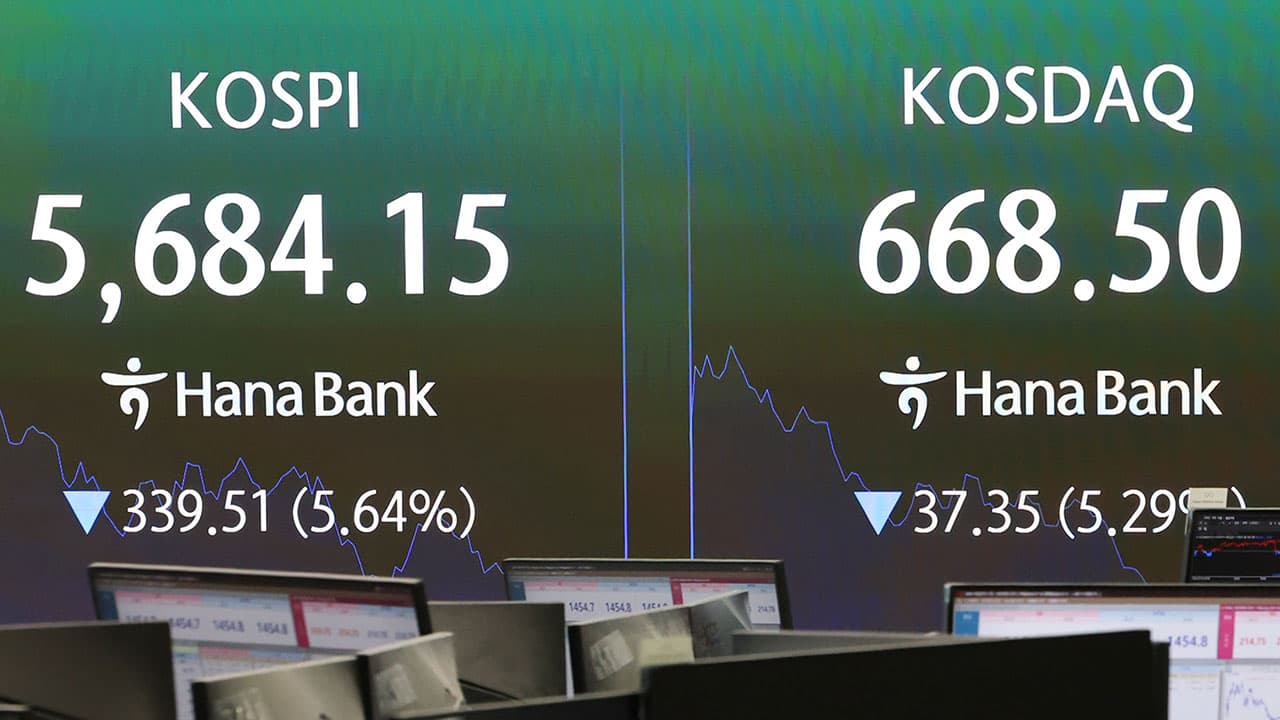
KOSPI, KOSDAQ Trigger Sell-Side Sidecar for Second Time This Week Amid Sharp Reversal
AI Chip Boom Puts SK Hynix, Samsung and Kioxia Earnings in the Spotlight
SK Hynix and Samsung Electronics are preparing to report earnings that will gauge investor confidence in memory chips, as rising high-bandwidth memory prices and the rollout of HBM4 ease worries about a second-half slowdown.
SK Hynix, Samsung and Kioxia Face Pivotal Earnings Test on AI Swings
Upcoming earnings from SK Hynix and Samsung Electronics will gauge whether investor enthusiasm for AI-driven memory chips can withstand recent market turbulence, as Kioxia's share slide adds to the jitters.