SK Hynix, Samsung and Kioxia Face Pivotal Earnings Test on AI Swings
Upcoming earnings from SK Hynix and Samsung Electronics will gauge whether investor enthusiasm for AI-driven memory chips can withstand recent market turbulence, as Kioxia's share slide adds to the jitters.
Upcoming earnings from SK Hynix and Samsung Electronics will gauge whether investor enthusiasm for AI-driven memory chips can withstand recent market turbulence, as Kioxia's share slide adds to the jitters.
SK Hynix and Samsung Electronics are preparing to release earnings that investors are treating as a crucial gauge of whether the artificial intelligence boom still has enough force to justify the lofty valuations built up across the memory chip sector. The reports arrive at a moment when South Korea's stock market has increasingly come to be seen internationally as a proxy for global sentiment on AI, given the outsized weight of chipmakers on the benchmark index and the intensity of retail trading tied to the sector.
That status has come with added volatility. Shares of both companies, along with other chip-linked names, have swung sharply in recent sessions, a pattern traders attribute partly to heavy use of leveraged and margin positions by retail investors betting on continued AI-fueled demand. Such positioning tends to amplify moves in both directions, turning routine earnings releases into higher-stakes events for the broader market.
Adding to the unease is a recent slide in the market value of Kioxia Holdings, the Japanese memory chipmaker and a key rival to the two Korean giants. The decline in Kioxia's shares has unsettled investors who worry it could signal cracks in the broader narrative that demand for high-bandwidth memory and other AI-related chips remains on an unstoppable upward trajectory.
SK Hynix has emerged as one of the primary beneficiaries of the AI infrastructure buildout, supplying high-bandwidth memory chips that are critical components in the advanced processors used to train and run large AI models. Samsung Electronics, the world's largest memory chipmaker, has been working to catch up in that specific segment while also navigating a broader portfolio spanning smartphones, displays and foundry services.
Investors will be parsing the upcoming results not just for headline profit figures but for forward guidance on pricing trends, capital expenditure plans and the pace of orders from major AI infrastructure customers. Any sign of softening demand or margin pressure could trigger a sharper reassessment of the AI-related rally that has powered much of the recent gains in South Korean equities.
The stakes extend well beyond the two companies themselves. Because chipmakers carry such heavy weight in South Korea's benchmark index, the earnings season is being watched as an early indicator of whether the broader AI investment cycle still has room to run, or whether markets are due for a more significant correction after months of rapid gains.
Related companies
Where it matters
Related coverage

SK Hynix Shares Slide Despite Record Profit as AI Chip Demand Fails to Meet Sky-High Expectations
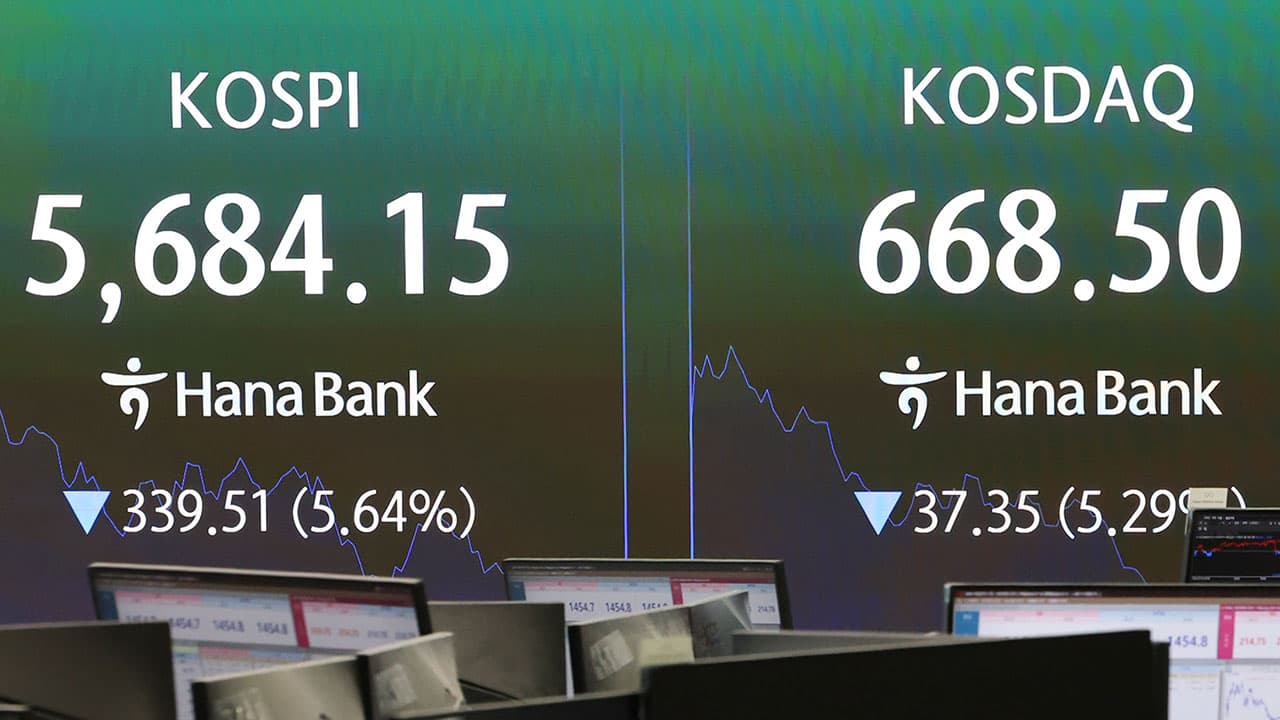
KOSPI, KOSDAQ Trigger Sell-Side Sidecar for Second Time This Week Amid Sharp Reversal

Will the Bank of Korea Raise Rates Again in August After Its July Hike?
AI Chip Boom Puts SK Hynix, Samsung and Kioxia Earnings in the Spotlight
SK Hynix and Samsung Electronics are preparing to report earnings that will gauge investor confidence in memory chips, as rising high-bandwidth memory prices and the rollout of HBM4 ease worries about a second-half slowdown.