North Korea's Rare Public Purge Exposes Kim Jong Un's Fight Against Graft
North Korea has publicly sentenced senior military official Pak Hui Chol over bribery and embezzlement, an unusually open disclosure that analysts say underscores the limits of fighting corruption in a system built on loyalty and fear.
North Korea has publicly sentenced senior military official Pak Hui Chol over bribery and embezzlement, an unusually open disclosure that analysts say underscores the limits of fighting corruption in a system built on loyalty and fear.
North Korea has taken the rare step of publicly punishing a senior military official over corruption, sentencing Pak Hui Chol on allegations of bribery, abuse of power and amassing illicit wealth. What set the case apart was not the charges themselves, which are familiar in the country's opaque political system, but the fact that Pyongyang wanted the disclosure to be seen.
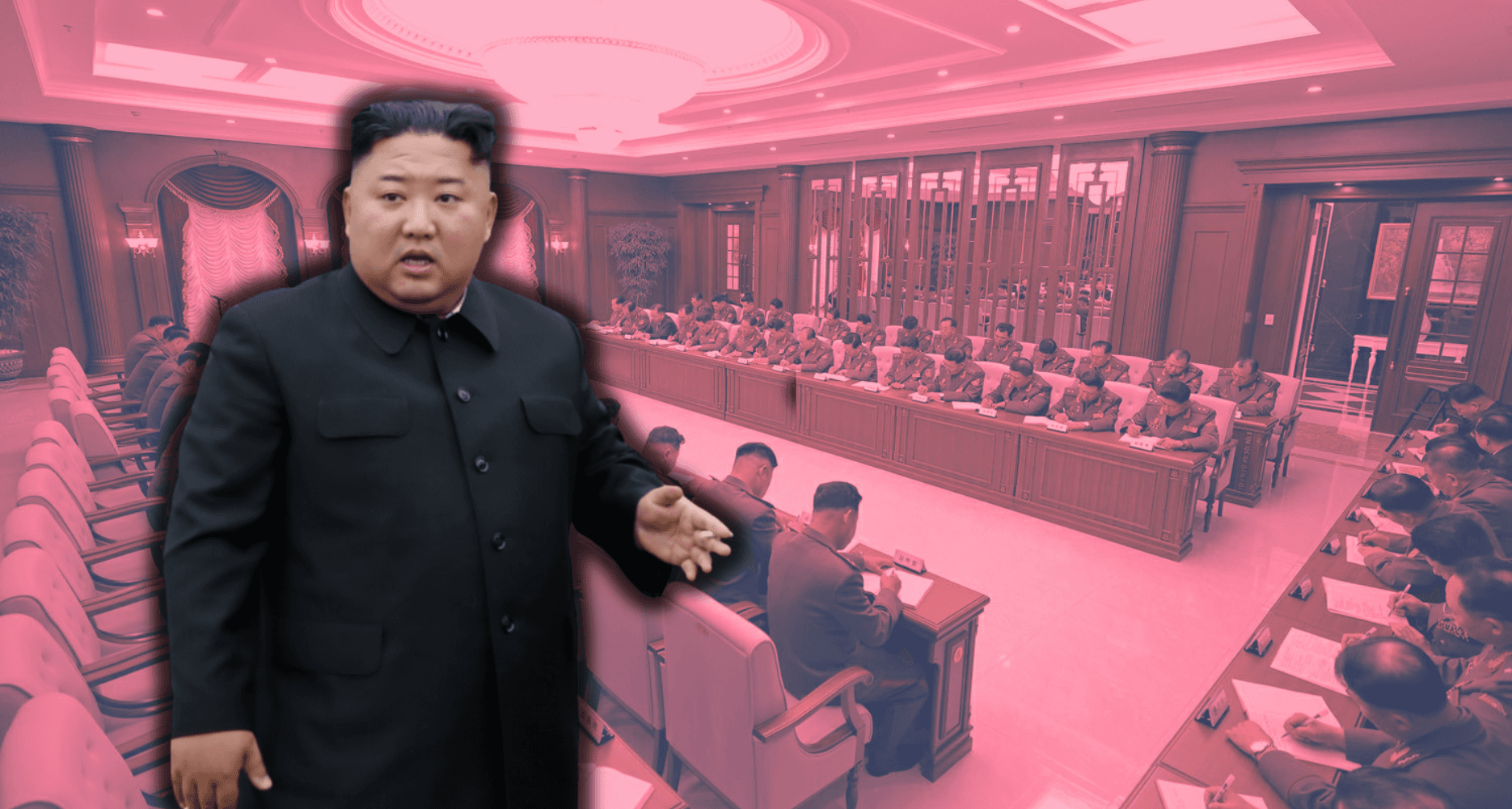
According to state media, leader Kim Jong Un condemned Pak's alleged "extra-large crimes" at a joint meeting of senior party, government and military officials. Such gatherings rarely air the alleged misdeeds of individual officials so openly, and the public shaming pushed the leadership's intensifying anti-corruption campaign well beyond its usual behind-the-scenes approach.
The episode marks a departure from how the regime has traditionally handled elite graft, typically resolving disputes and removals quietly to preserve the appearance of unity at the top. By making an example of Pak in front of the country's most powerful figures, Kim signaled that no rank offers automatic protection from scrutiny.
Analysts say the very public nature of the downfall reveals as much about the system's weaknesses as its resolve. In a state where advancement depends on personal loyalty and the fear of punishment, corruption is deeply woven into how officials operate, making it difficult to root out without threatening the networks that keep the leadership in place.
The move also plays into long-running dynamics of elite power struggles, where anti-corruption drives can double as tools to remove rivals and reassert central control. Observers caution that a single high-profile sentencing is unlikely to change entrenched behavior across the bureaucracy and the military.
For Kim, the calculation appears to be that a visible crackdown projects strength and discipline. Yet the same spectacle highlights how persistent graft remains a structural feature of a system that rewards loyalty over accountability, leaving the leader locked in a fight he cannot easily win.
Where it matters
Related coverage
Kim Orders Major Expansion of North Korea's Intelligence Network

Russia Wants 30,000 More North Korean Troops for Ukraine War, Zelensky Says
North Korea-China Trade Rises in First Half of 2026 Despite June Slowdown