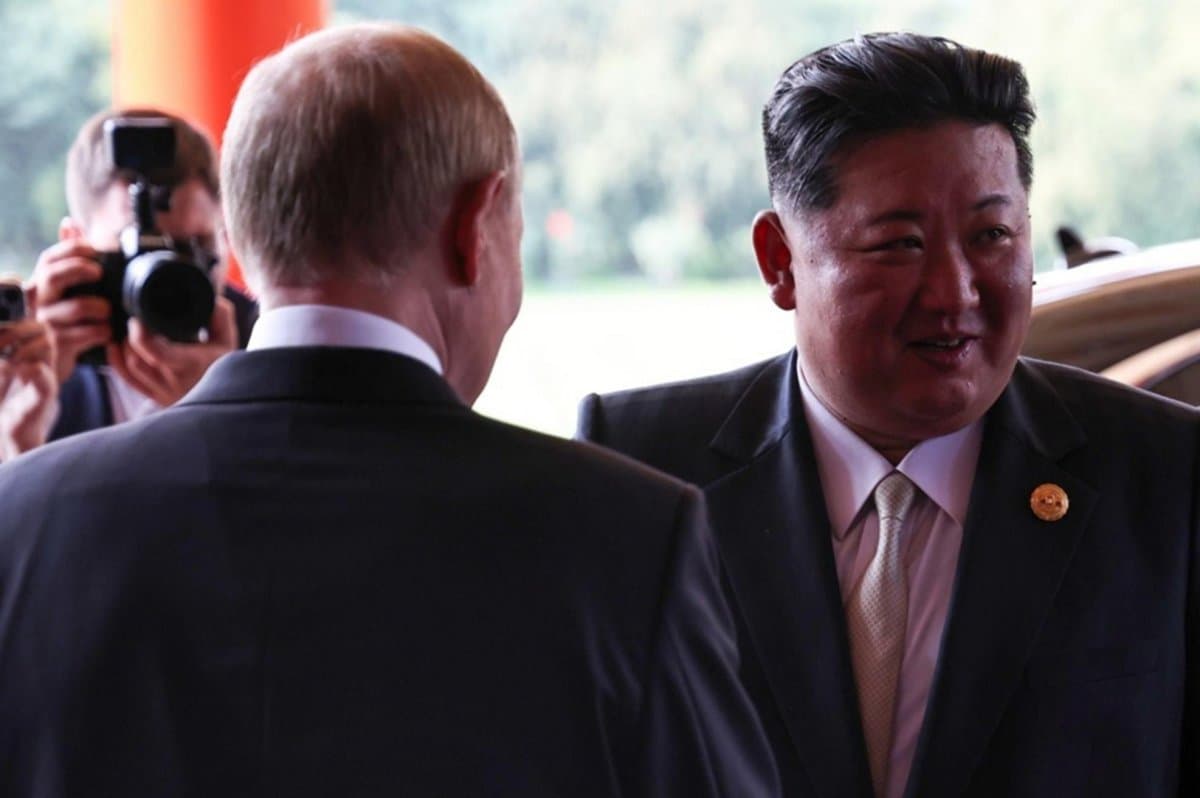
Kim Orders Major Expansion of North Korea's Intelligence Network
Kim Jong Un has ordered North Korea's top intelligence agency to expand satellite, cyber and overseas espionage capabilities, fueling concern over deeper intelligence cooperation with Russia and China.
Kim Jong Un has ordered North Korea's top intelligence agency to expand satellite, cyber and overseas espionage capabilities, fueling concern over deeper intelligence cooperation with Russia and China.
North Korean leader Kim Jong Un has directed the country's top intelligence agency to significantly expand its military reconnaissance and foreign espionage capabilities, a move that is stoking fresh concern in Seoul and Washington about the possibility of deeper intelligence sharing among North Korea, Russia and China.
According to North Korean state media, Kim issued the directive during a meeting earlier this month, telling officials to sharpen the country's ability to gather critical intelligence and counter threats from rival states. The order applies to the agency now known as the General Reconnaissance and Information Bureau, which was expanded and renamed from the Reconnaissance General Bureau in September 2025. It oversees everything from conventional spying and covert overseas operations to cyberattacks and military satellite surveillance.
The push comes as Pyongyang leans further into its partnerships with Moscow and Beijing. Analysts note that North Korea has historically punched above its weight in overseas operations — it has been linked to the 2014 hack of Sony Pictures, the 2016 theft of South Korean and U.S. military plans, and the 2017 assassination of Kim Jong Un's half-brother Kim Jong Nam in Malaysia — despite maintaining diplomatic missions in only about 43 countries as of 2024, a fraction of the reach enjoyed by major powers.
Satellite capability is one glaring weak spot. North Korea has only a single reconnaissance satellite, Malligyong-1, that has reached orbit, launched in November 2023, and outside experts have questioned how useful its imagery actually is. Subsequent launches meant to expand the constellation have failed or been delayed. South Korean intelligence officials believe Russia could be quietly providing technical help on satellites and launch vehicles in exchange for Pyongyang's continued military support for Moscow's war in Ukraine, a dynamic underscored by Kim's 2023 visit to Russia's Vostochny Cosmodrome alongside President Vladimir Putin. Multiple working satellites would let Pyongyang track South Korean, Japanese and U.S. military sites far more frequently than it can today.
Cyber operations represent another likely channel for cooperation. North Korean hackers have been accused of stealing billions of dollars in cryptocurrency to fund state programs, with United Nations investigators reviewing dozens of suspected North Korean attacks on crypto firms between 2017 and 2023. Specialists say Pyongyang and Moscow could share malware and technical infrastructure even without a formal pact.
No trilateral intelligence alliance among North Korea, Russia and China has been announced, and Joseph Bermudez Jr., a North Korea specialist at the Center for Strategic and International Studies, said any cooperation is more likely to resemble an informal division of labor than a structure akin to the Five Eyes partnership among the United States, Britain, Canada, Australia and New Zealand. In that scenario, Russia could supply satellite and military know-how, China could offer access to communications infrastructure and a wider overseas footprint, and North Korea could contribute cyber talent and intelligence gathered through its own networks.
Pyongyang is also widening its diplomatic reach among Moscow-aligned governments, holding its first summit with Belarusian leader Alexander Lukashenko in March, with Belarus set to open an embassy in Pyongyang in August. Chun In-bum, a former South Korean special warfare commander, said a larger diplomatic network would give North Korea more openings to monitor foreign communications and support cyber operations abroad — a trend analysts warn could raise the risk of intrusions against South Korean government bodies, defense contractors, financial institutions and diplomatic posts overseas.
Where it matters
Related coverage

Russia Wants 30,000 More North Korean Troops for Ukraine War, Zelensky Says

North Korea-China Trade Rises in First Half of 2026 Despite June Slowdown
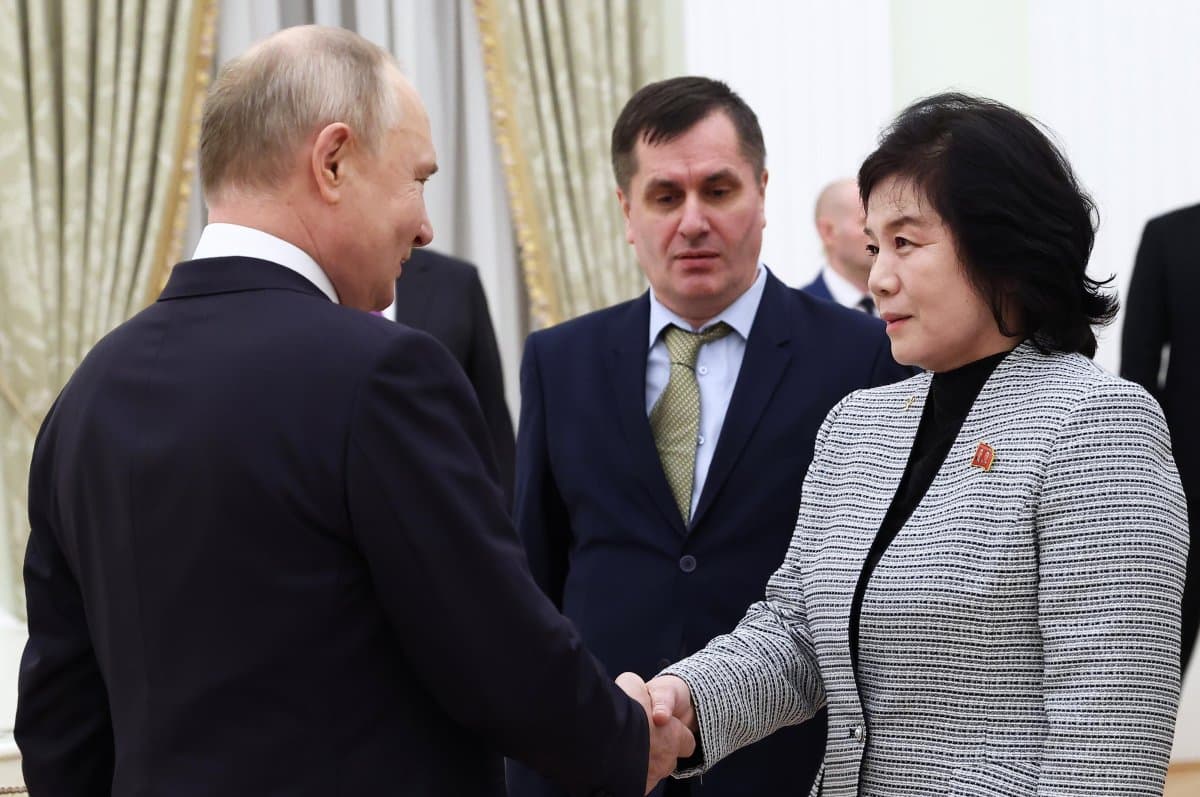
North Korea Deepens Ties With China and Russia Amid Regional Realignment
