Korean Won Posts Biggest Monthly Gain Among G20 Currencies in July as Dollar Weakens
The South Korean won strengthened more than any other G20 currency in July, reversing a months-long slide that had pushed it near its weakest level since the Asian financial crisis, as export-driven dollar inflows and eased U.S. inflation worries pressured the greenback.
The South Korean won strengthened more than any other G20 currency in July, reversing a months-long slide that had pushed it near its weakest level since the Asian financial crisis, as export-driven dollar inflows and eased U.S. inflation worries pressured the greenback.
The South Korean won has staged the sharpest turnaround among Group of 20 currencies this month, recovering rapidly after a slide earlier in the year that had pushed it to its weakest level in more than a decade. Data from the Seoul foreign exchange market show the won's exchange rate falling 4.27% through July 17, a decline that signals appreciation and outpaces every other G20 currency, including the British pound, which posted the next-largest move at roughly 1.45%.
The won-dollar rate stood at 1,478.5 as of mid-afternoon on July 17, its strongest level in about two months and down more than 70 won from the end of June, marking the sharpest monthly move since late 2022. The rebound follows a rough first half of the year, when the won's exchange rate climbed 7.7%, the second-steepest depreciation among G20 currencies after the Turkish lira. That slide bottomed out on July 2, when the currency touched its weakest level since March 2009, before briefly breaching the 1,500-won mark on July 8 and then clawing back through the following weeks.
Market watchers attribute the reversal to several converging forces. Cooling inflation data out of the United States has dampened expectations of further Federal Reserve rate hikes, narrowing the interest-rate gap with South Korea after a recent Bank of Korea rate increase. Foreign investors have also slowed their selling of Korean equities, while expectations of fresh dollar inflows tied to SK Hynix's planned listing of American depositary receipts have added support. Exporters converting overseas earnings back into won and repatriating funds held abroad have further improved dollar liquidity in domestic markets.
Min Kyung-won, an economist at Woori Bank, said the trend could extend further if those dynamics persist, suggesting the average rate could fall toward 1,430 won per dollar in the fourth quarter if export firms keep converting currency and foreign capital keeps flowing in.
The rally has coincided with a broader government push to internationalize the won. Officials announced plans over the weekend to let foreign financial institutions borrow won through temporary overdrafts and use won-denominated bonds as collateral, building on an earlier move to extend dollar-won trading to a full 24-hour cycle starting July 6. Authorities have framed the steps as part of a longer-term effort to expand the currency's role beyond domestic markets.
Despite the sharp rebound, analysts caution the won's strength may not hold indefinitely. Lingering geopolitical tensions, including instability tied to conflicts in the Middle East, have periodically lifted oil prices and safe-haven demand for the dollar, while the possibility that U.S. rates stay elevated longer than markets expect could cap further gains. Over the trailing 12 months, the won has traded in a wide range of roughly 1,365 to 1,562 per dollar, underscoring how volatile the currency has remained even as July marked a standout month.
Related companies
Where it matters
Related coverage

SK Hynix Shares Slide Despite Record Profit as AI Chip Demand Fails to Meet Sky-High Expectations
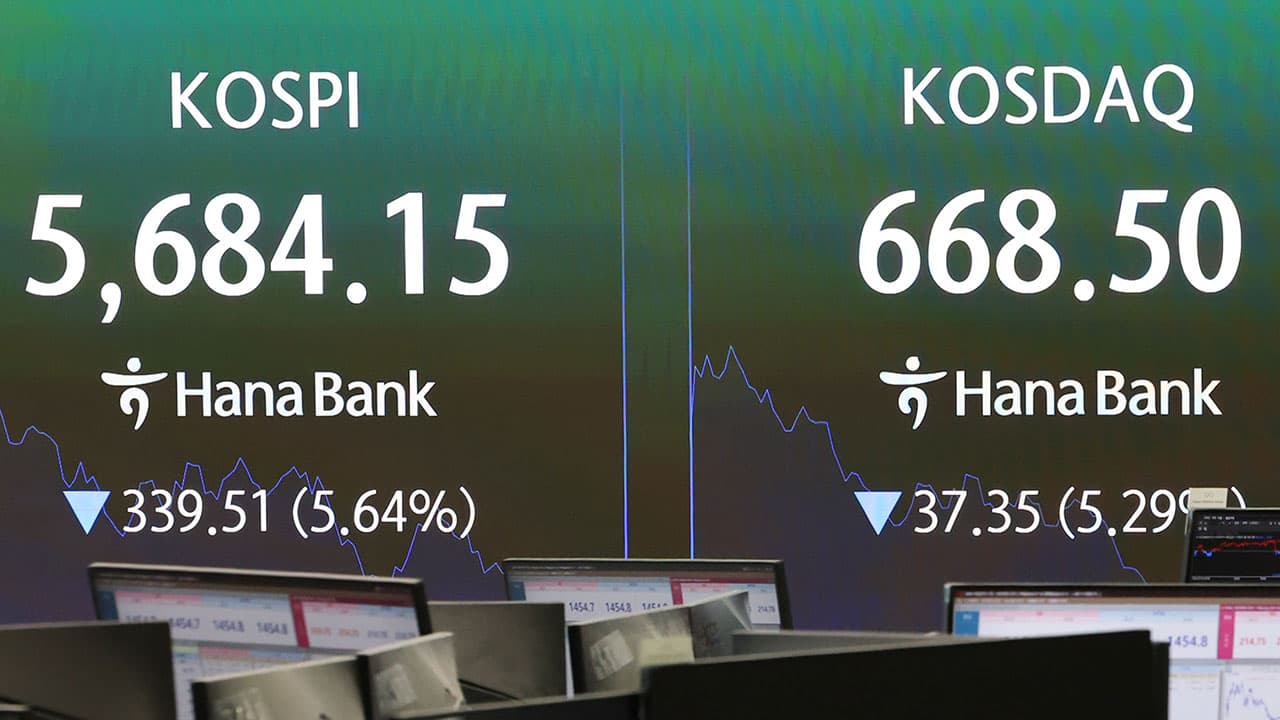
KOSPI, KOSDAQ Trigger Sell-Side Sidecar for Second Time This Week Amid Sharp Reversal

Will the Bank of Korea Raise Rates Again in August After Its July Hike?
AI Chip Boom Puts SK Hynix, Samsung and Kioxia Earnings in the Spotlight
SK Hynix and Samsung Electronics are preparing to report earnings that will gauge investor confidence in memory chips, as rising high-bandwidth memory prices and the rollout of HBM4 ease worries about a second-half slowdown.