Korea's Q2 Growth in Focus as ECB Rate Decision, US Tariff Deadline Loom
The Bank of Korea will unveil its advance Q2 GDP estimate on July 23, with economists watching whether the export-led rebound seen in the first quarter can be sustained. The release lands in a busy week that also brings an ECB rate decision and the expiration of a U.S. 10% global tariff.
The Bank of Korea will unveil its advance Q2 GDP estimate on July 23, with economists watching whether the export-led rebound seen in the first quarter can be sustained. The release lands in a busy week that also brings an ECB rate decision and the expiration of a U.S. 10% global tariff.
South Korea's economic momentum comes under the microscope this week as the Bank of Korea prepares to release its advance estimate for second-quarter gross domestic product on July 23. The reading will show whether the surprisingly strong expansion recorded in the first quarter was a one-off or the start of a more durable recovery.
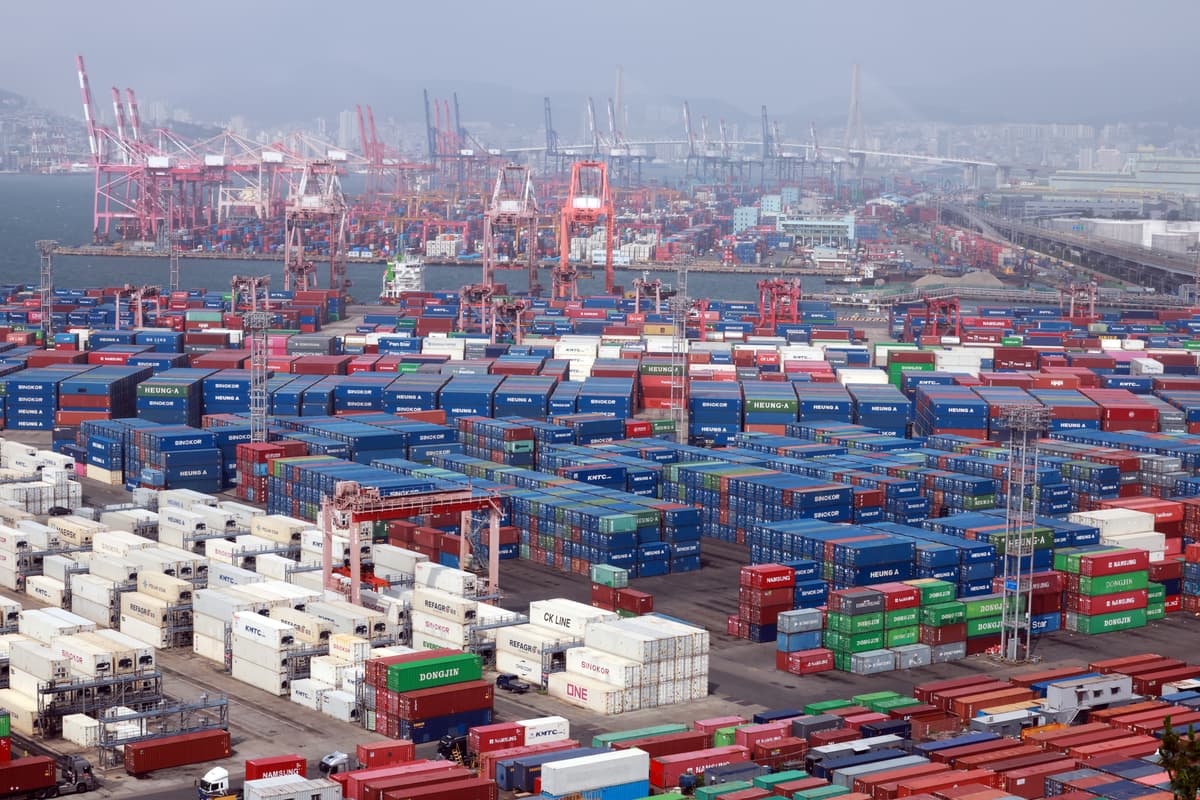
The first quarter's 1.8 percent quarter-on-quarter growth marked Korea's fastest pace since the third quarter of 2020, when the economy was rebounding from the initial shock of the pandemic. That surge was driven overwhelmingly by semiconductor exports, as global demand for memory chips and AI-related components lifted shipments from Korean manufacturers. The question now is whether that export engine kept firing through April, May and June, or whether high base effects and softer global demand pulled growth back toward a more modest pace.
Economists are divided on the outlook. Some point to continued strength in chip orders and resilient shipments to key markets as reasons to expect another solid print, while others caution that consumer spending at home has remained tepid and that global trade conditions are still clouded by policy uncertainty. The advance figure will offer only a partial picture, with a fuller breakdown of consumption, investment and trade contributions to follow in the revised release.
The GDP announcement arrives amid a broader wave of market-moving events. The European Central Bank is set to announce its latest interest rate decision this week, a call that will be closely watched by investors gauging the pace of monetary easing across major economies and its knock-on effects for capital flows into emerging and export-driven markets like Korea.
Adding to the week's significance, a 10 percent global tariff imposed by the United States is due to expire on July 24. For a trade-dependent economy like Korea, where semiconductors, automobiles and other manufactured goods make up a large share of exports, the tariff's lapse could ease some pressure on shipments to the U.S. market, though officials and businesses are watching closely for any signs of replacement measures.
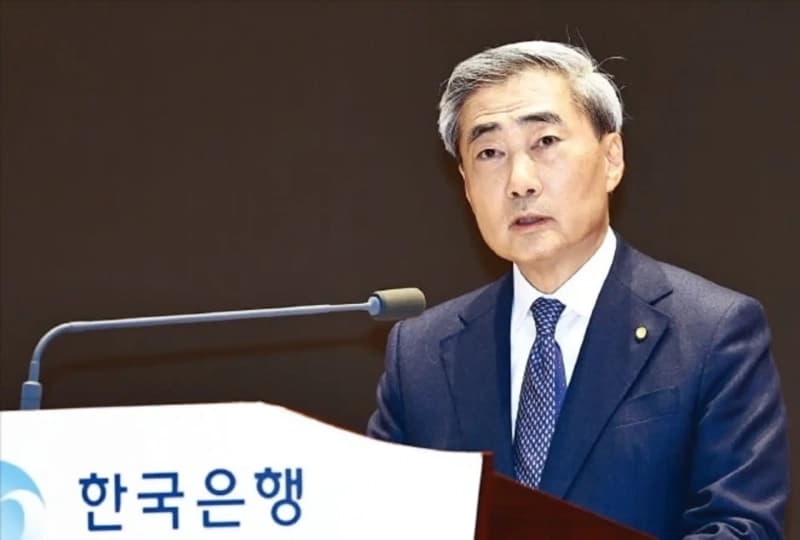
Taken together, the confluence of Korea's GDP release, the ECB's policy call and the tariff deadline sets up a pivotal stretch for assessing both the durability of Korea's export-led rebound and the broader global trade and monetary policy backdrop shaping the country's growth path. Bank of Korea Governor Rhee Chang-yong has previously stressed that policy decisions will remain data-dependent, with the coming GDP figures likely to factor into the central bank's upcoming rate deliberations.
Related companies
Where it matters
Related coverage

SK Hynix Shares Slide Despite Record Profit as AI Chip Demand Fails to Meet Sky-High Expectations
KOSPI, KOSDAQ Trigger Sell-Side Sidecar for Second Time This Week Amid Sharp Reversal
Will the Bank of Korea Raise Rates Again in August After Its July Hike?
AI Chip Boom Puts SK Hynix, Samsung and Kioxia Earnings in the Spotlight
SK Hynix and Samsung Electronics are preparing to report earnings that will gauge investor confidence in memory chips, as rising high-bandwidth memory prices and the rollout of HBM4 ease worries about a second-half slowdown.