USFK Chief States 'Conditions Have Changed' for OPCON Transfer
The USFK commander highlighted evolving conditions for the transfer of operational control to South Korea.
The USFK commander highlighted evolving conditions for the transfer of operational control to South Korea.
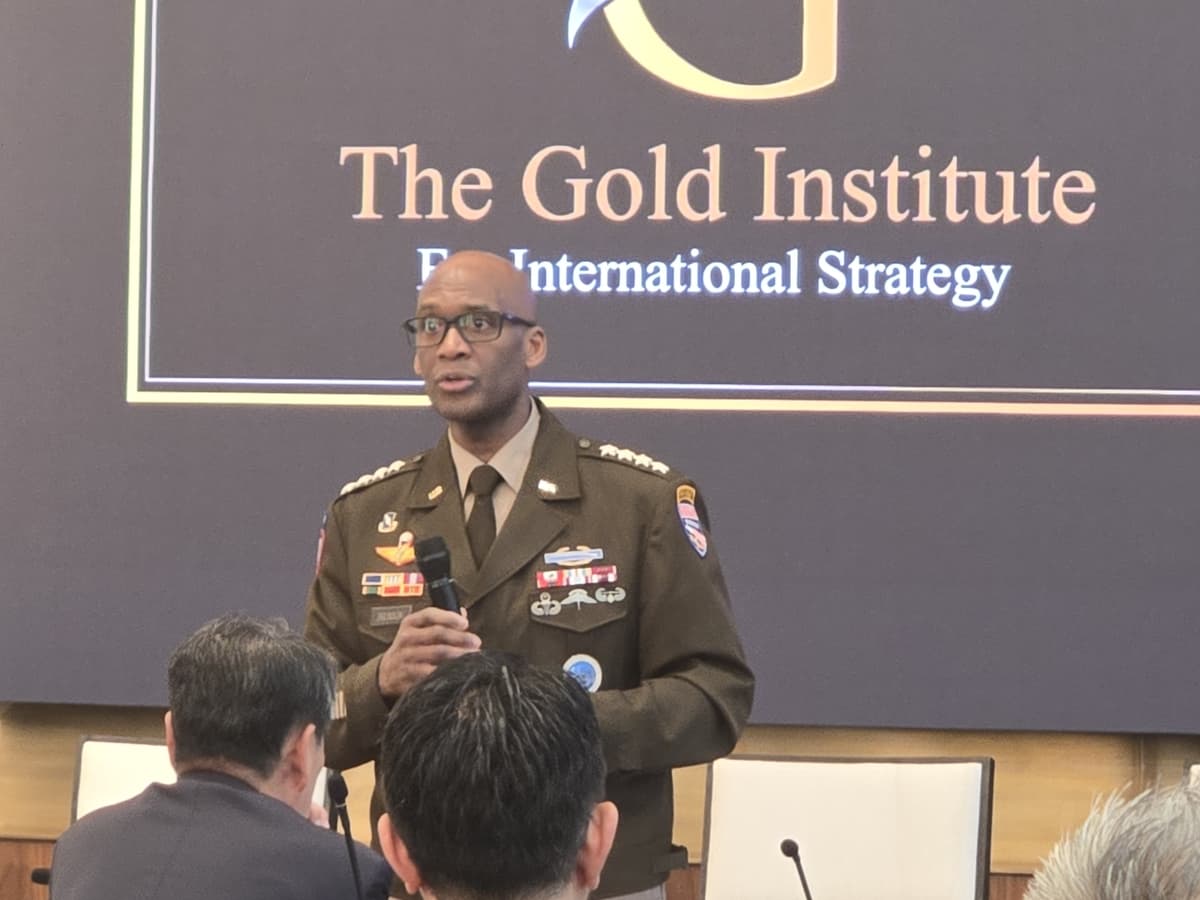
During the annual Indo-Pacific Summit in Washington, U.S. Forces Korea (USFK) Commander Gen. Xavier Brunson emphasized that 'conditions have changed' regarding the transfer of operational control (OPCON) to South Korea. He noted that recent developments, particularly North Korea's missile tests, have influenced the ongoing discussions about defense responsibilities.
Brunson stated, 'Because the conditions have changed, because we've changed our plan, we have new standards which we have to uphold.' His remarks come amidst a growing gap between Seoul and Washington over the timing of the OPCON transfer, with South Korea aiming to regain wartime control before the end of the current administration in 2030.
The general pointed out that North Korea's recent missile launches serve as a clear indicator of the shifting security landscape. He remarked, 'A cursory glance of a newspaper would tell you that the conditions have most assuredly changed.' This context raises concerns about the readiness and capabilities required for a successful transition.
While expressing support for the OPCON transfer, Brunson cautioned against rushing the process, stressing the need to meet established conditions. He remarked, 'We don't have the benefit of changing the conditions to time. Time, in and of itself, is a condition.'
Discussions about the future of the South Korea-U.S. Combined Forces Command (CFC) following the transfer remain uncertain, but Brunson underscored the importance of maintaining a strong alliance. The two nations are reportedly considering postponing their high-level Security Consultative Meeting (SCM) to December, as Seoul navigates the complexities of achieving its defense goals.
Where it matters
Related coverage
South Korea and Norway Discuss Defense and Technology Cooperation
S. Korea, U.S. Agree to Hold Key Defense Talks After Midterm Elections
Russia Strengthens Ties with North Korea at Diplomatic Anniversary