U.S. Army Activates Air Defense Battalion in Guam Amid Missile Threats
The U.S. Army has activated an air defense battalion in Guam to counter missile threats from North Korea and China.
The U.S. Army has activated an air defense battalion in Guam to counter missile threats from North Korea and China.
The U.S. Army has officially activated an air defense battalion in Guam as part of its efforts to enhance regional security against increasing missile threats from North Korea and China. The activation ceremony for the 3rd Battalion, 43rd Air Defense Artillery Regiment, took place on October 16 at Andersen Air Force Base.
This newly established battalion will take over air defense responsibilities previously managed by Task Force Talon, which had been operational since 2013 to address potential North Korean ballistic missile threats. However, the scope of its mission has expanded in light of China's growing missile capabilities.
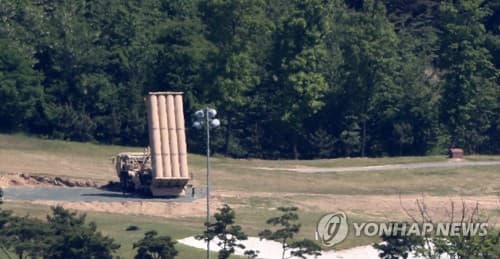
The battalion is expected to utilize advanced defense systems, including Patriot missiles, Terminal High Altitude Area Defense (THAAD), and Intermediate Fires Protection Capability (IFPC) systems. These technologies will form a layered defense network aimed at intercepting ballistic and cruise missiles, as well as drones.
The U.S. Army emphasized that Guam's strategic location is crucial for military operations in the Indo-Pacific region, supporting joint force operations and ensuring the protection of necessary military infrastructure. This transition from a rotational task force to a permanent battalion signifies a commitment by the Pentagon to strengthen air defense capabilities in the region.
Currently, Guam relies on THAAD systems and U.S. Navy Aegis-equipped ships for its air and missile defense needs, which are activated as required. The establishment of the new battalion marks a significant step in enhancing the island's defense framework against potential threats.
Where it matters
Related coverage
South Korea Donates 8 Retired Military Helicopters to Kenya

U.S. Treasury Department Proposes Expanding Tech Investment Restrictions to North Korea
North Korean Leader Kim Jong-un Visits China to Strengthen Ties