S. Korea, U.S., Japan Reaffirm Robust Deterrence Against North Korea in Manila Talks
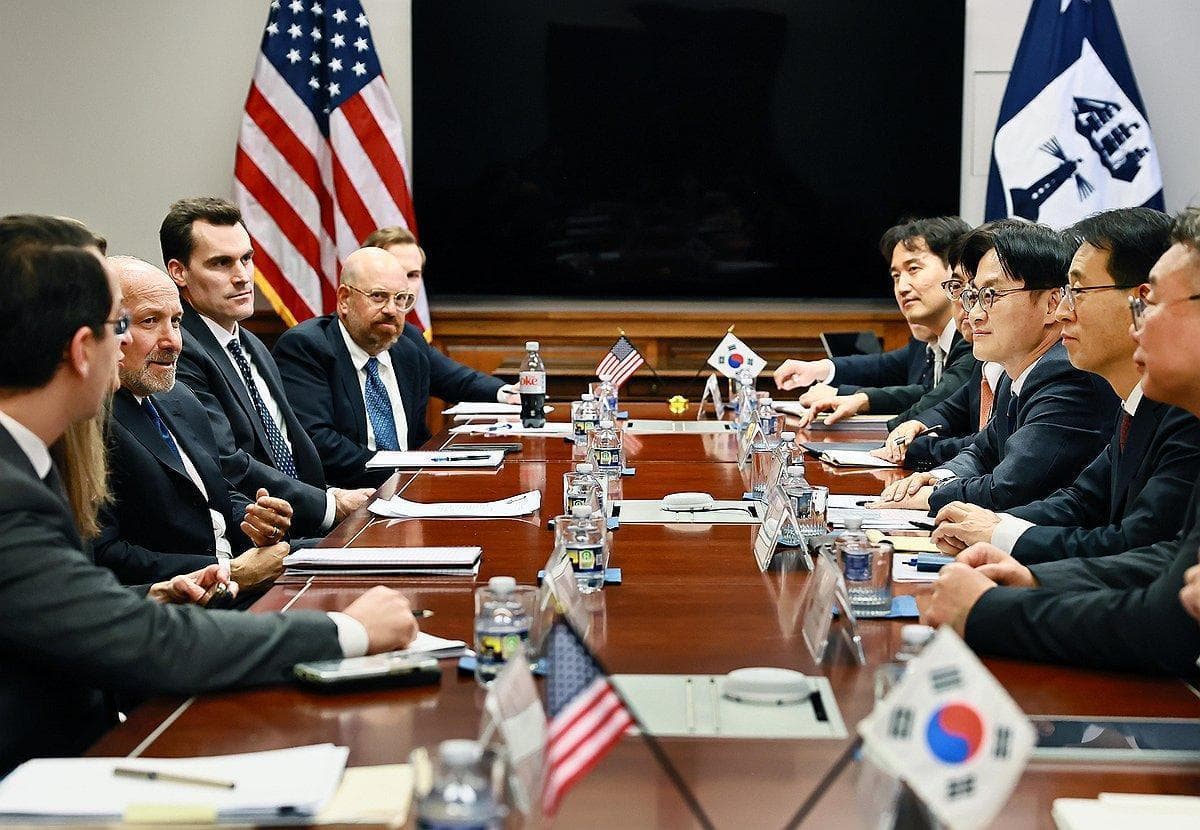
The foreign ministers of South Korea, the United States and Japan met in Manila and pledged to maintain a strong deterrence posture against North Korea while keeping denuclearization of the Korean Peninsula as their shared goal.
The foreign ministers of South Korea, the United States and Japan met in Manila and pledged to maintain a strong deterrence posture against North Korea while keeping denuclearization of the Korean Peninsula as their shared goal.
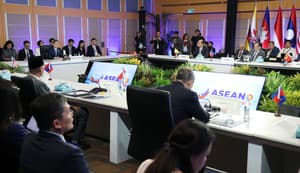
South Korean Foreign Minister Cho Hyun, U.S. Secretary of State Marco Rubio and Japanese Foreign Minister Toshimitsu Motegi held trilateral talks in Manila on Wednesday, on the sidelines of ASEAN-related ministerial meetings, and reaffirmed their commitment to a robust deterrence posture against North Korea.
According to South Korea's Ministry of Foreign Affairs, the three top diplomats shared assessments of recent developments on the Korean Peninsula and agreed that denuclearization remains their shared goal. They also pledged to keep close coordination on North Korea policy while pursuing peace and stability through dialogue and diplomacy.
The meeting came just two weeks after the same three ministers met on the sidelines of the NATO summit in Ankara on July 7, a pattern Seoul's ministry said underscores how much weight the three allies are placing on regular trilateral engagement. The ministers agreed to keep up that momentum through frequent consultations at various levels, including on the margins of future multilateral gatherings.
Beyond security, the ministers discussed economic security cooperation, agreeing to deepen practical collaboration in nuclear energy, critical minerals and emerging technologies. They also touched on regional flashpoints in Northeast Asia and the Middle East, voicing support for upholding international law, including principles under the U.N. Convention on the Law of the Sea, and for strengthening maritime security across the Indo-Pacific and Southeast Asia.
In a separate readout, U.S. State Department spokesperson Tommy Pigott said the ministers reaffirmed a unified approach toward North Korea's complete denuclearization and agreed to keep coordinating against North Korean cyber threats. He added that the three sides also raised concerns about peace across the Taiwan Strait and noted, with concern, China's insufficient notification ahead of a recent intercontinental ballistic missile launch into the Pacific.
The ministers further agreed to intensify joint efforts against transnational criminal networks, including scam centers, and to broaden trilateral discussions on Arctic affairs given the region's rising strategic significance. They also discussed next steps for a trilateral memorandum on deploying small modular reactors in third countries, an agreement the three sides signed earlier this month in Ankara, with plans to begin deployment in the Indo-Pacific.
Separately, Seoul officials noted North Korea appeared to skip the ASEAN Regional Forum for a second straight year, as Pyongyang continues to prioritize bilateral engagement with Russia and China over multilateral diplomatic forums.
Where it matters
Related coverage
Lee Jae Myung Kicks Off Latin America Tour, Pitches Region as Key to Korea's Global South Push
Lee Jae Myung Departs on 11-Day Trip Spanning San Francisco and South America
Korea Says US to Honor 15% Tariff Cap Despite New Section 301 Duties