US Finalizes 12.5% Tariffs on South Korea, 59 Other Countries Over Forced-Labor Concerns
The Trump administration's trade office has finalized Section 301 tariffs of up to 12.5% on South Korea, Japan, Switzerland and dozens of other partners, prompting Seoul to seek assurances the new duties won't push its total US tariff burden past a previously agreed 15% ceiling.
The Trump administration's trade office has finalized Section 301 tariffs of up to 12.5% on South Korea, Japan, Switzerland and dozens of other partners, prompting Seoul to seek assurances the new duties won't push its total US tariff burden past a previously agreed 15% ceiling.
The Office of the US Trade Representative on Thursday finalized new tariffs of up to 12.5 percent on South Korea, Japan and 58 other trading partners, capping a months-long investigation into whether countries had done enough to block imports made with forced labor. The duties, issued under Section 301 of the 1974 Trade Act, take effect Friday US time and apply to roughly 60 economies that were probed by Washington.
Under the new framework, goods from South Korea, Japan and Switzerland will face additional Section 301 duties calibrated so that their combined US tariff rate reaches 12.5 percent, unless products are already taxed above that threshold under standard most-favored-nation rates. Taiwan and the European Union received more lenient treatment, with their total tariff burden capped at 10 percent. A separate group of about 18 countries, including Canada, Mexico, Argentina and Britain, was assigned a flat 10 percent Section 301 rate, while the remaining investigated economies face the full 12.5 percent.
The timing is significant: the tariffs arrive just as the administration's temporary across-the-board 10 percent duties were due to expire. Those blanket tariffs had been put in place after the US Supreme Court struck down Trump's earlier country-specific "reciprocal tariffs" in February, forcing the White House to look for a new legal basis to keep pressure on trading partners.
USTR chief Jamieson Greer defended the move, saying Washington has enforced a forced-labor import ban for nearly a century and that it is "well past time" for trading partners to follow suit. He framed the tariffs as addressing both a human rights concern and an unfair trade advantage enjoyed by countries with weaker labor protections.
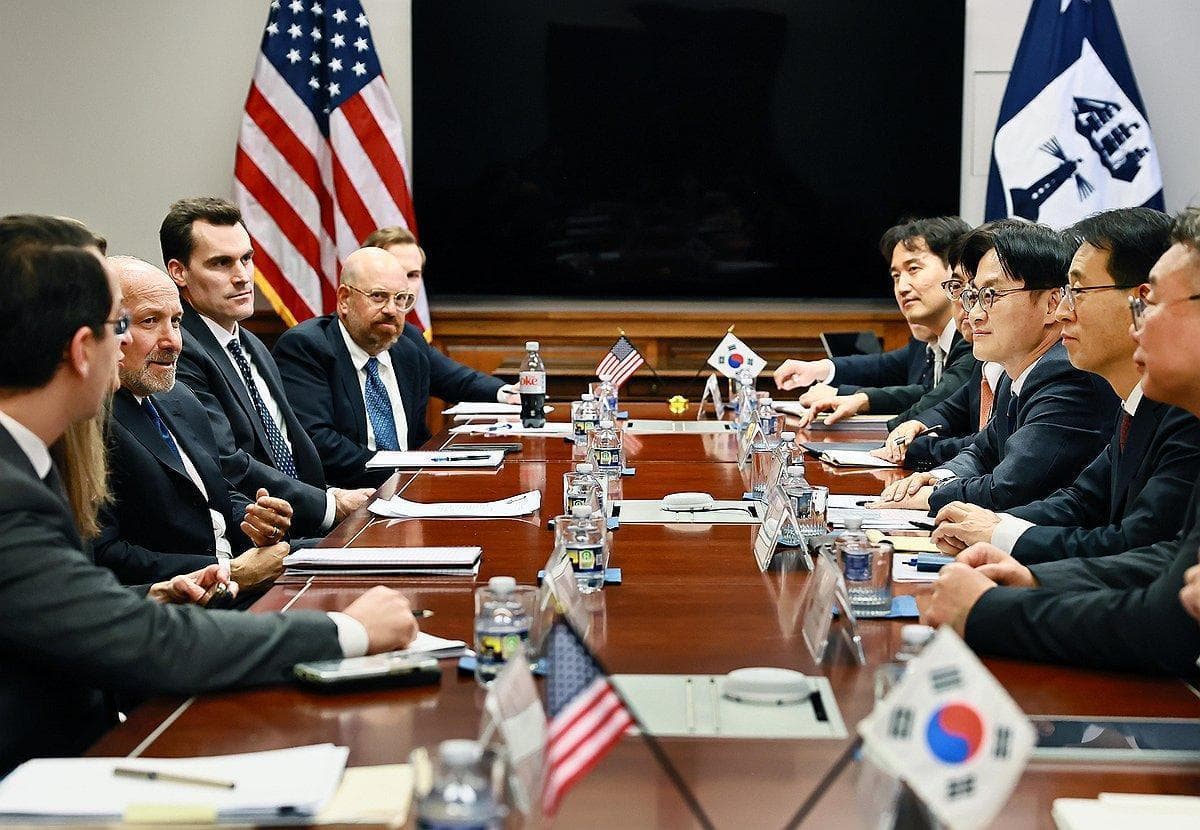
Seoul had pushed back hard against the plan since it was first floated last month, with the government submitting formal comments to the USTR calling the proposed levy "unwarranted" and "disproportionate" given Korea's actual labor practices. Following Thursday's final decision, South Korea's presidential office said it would consult closely with Washington to make sure the combined tariff on Korean exports does not exceed the 15 percent rate the two sides had previously agreed upon in trade talks.
The forced-labor tariffs are separate from another set of Section 301 probes the USTR has been running into South Korea, China, Japan and 13 other economies over so-called structural overcapacity in manufacturing. Together, the two tracks reflect the Trump administration's broader effort to rebuild a tariff architecture capable of surviving legal challenges after the reciprocal-tariff regime was invalidated, while keeping pressure on Asian and European trading partners over labor and industrial-policy grievances.
Where it matters
Related coverage
Lee Jae Myung Kicks Off Latin America Tour, Pitches Region as Key to Korea's Global South Push
Lee Jae Myung Departs on 11-Day Trip Spanning San Francisco and South America
Korea Says US to Honor 15% Tariff Cap Despite New Section 301 Duties