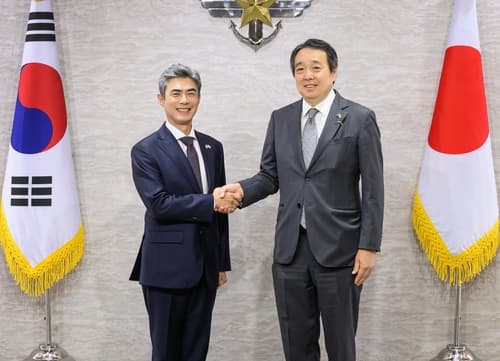
Pentagon Reaffirms Conditions-Based OPCON Transition to South Korea
The Pentagon has confirmed that the transfer of operational control to South Korea will depend on specific conditions.
The Pentagon has confirmed that the transfer of operational control to South Korea will depend on specific conditions.
The Pentagon has reiterated that the transition of wartime operational control (OPCON) to South Korea will be a conditions-based process. This statement comes amid ongoing discussions regarding the timing of this significant military shift.
A Pentagon official emphasized that both the United States and South Korea are committed to ensuring that all necessary conditions are met before any transition occurs. The official stated, "We will not prejudge decisions or outcomes of this bilateral process."
South Korean President Lee Jae Myung has expressed a desire for the OPCON transfer to happen as soon as possible, stating, "OPCON must be returned at an early date. We are sufficiently capable of doing so."
The timing of the transfer has been a point of contention, with President Lee aiming to regain control before his term ends in 2030. Recent comments from U.S. Forces Korea Commander Gen. Xavier Brunson noted that changing conditions, particularly regarding North Korea's missile activities, could impact the standards for the OPCON transfer.
The historical context of this transfer dates back to the Korean War, when South Korea handed over OPCON to the U.S.-led U.N. Command. Since then, while peacetime OPCON was returned to South Korea in 1994, wartime control remains with the U.S.
Where it matters
Related coverage
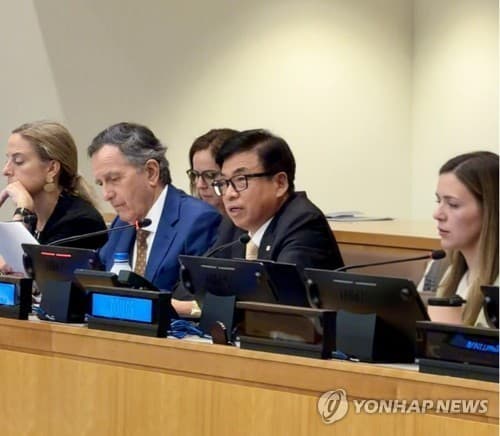
S. Korea's U.N. Envoy Named Co-Chair of Global AI Governance Dialogue
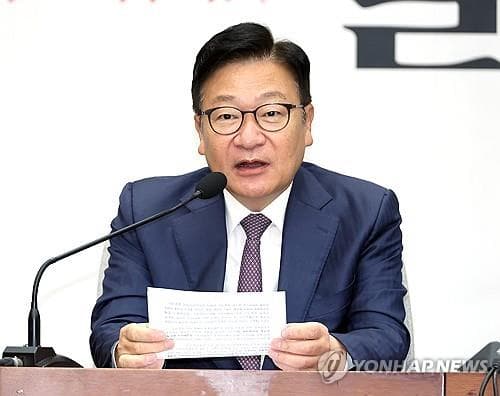
PPP Criticizes Diplomat Withdrawal from Ukraine as 'Emotional Response'

South Korea Withdraws Diplomatic Staff from Ukraine Amid Crisis