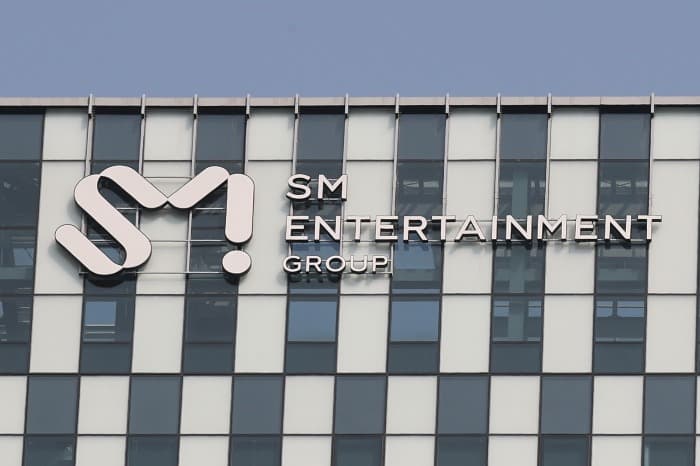
Tencent Set to Become SM Entertainment's No. 2 Shareholder via HYBE Deal
China's Tencent is poised to become the second-largest shareholder of K-pop powerhouse SM Entertainment through a transaction involving HYBE's stake, reshaping the ownership map of Korea's leading entertainment firms.
China's Tencent is poised to become the second-largest shareholder of K-pop powerhouse SM Entertainment through a transaction involving HYBE's stake, reshaping the ownership map of Korea's leading entertainment firms.
China's Tencent is set to become the second-largest shareholder of SM Entertainment, one of South Korea's biggest K-pop agencies, through a deal that transfers the stake previously held by rival HYBE, according to a report by KED Global.
The move gives the Chinese technology and entertainment giant a significant foothold in one of the pillars of Korea's music industry, home to global acts and a catalog of chart-topping artists. It also marks the latest twist in a saga that has repeatedly redrawn the ownership lines among the country's top agencies.
HYBE, the label behind BTS, had acquired its SM stake during a fierce 2023 contest for control of the company, a battle it ultimately lost to Kakao. The tech platform emerged as SM's largest shareholder, leaving HYBE holding a minority position it has signaled it would eventually offload.
By stepping in to take over that block, Tencent slots in behind Kakao as SM's No. 2 investor. The arrangement lets HYBE exit a holding that no longer fit its strategy while handing the Chinese firm exposure to Korean pop's lucrative export machine.
The transaction underscores how the boundaries between Korea's entertainment heavyweights and global tech capital continue to blur. Chinese investment in K-pop remains a sensitive topic given past frictions over cultural content, and analysts are likely to watch how the new shareholder structure influences SM's strategy and international ambitions.
For SM, the reshuffle brings a new major backer with deep pockets and vast distribution reach across Asia, potentially opening doors in the Chinese market that has long been difficult for Korean acts to access. For HYBE, the sale closes a chapter on an aggressive but unsuccessful bid to consolidate the industry.
Related companies
Where it matters
Related coverage

K-Pop's Q3 2026 Calendar: BTS and (G)I-DLE Lead July, Red Velvet and Stray Kids Set for August

Netflix's 'The East Palace' Rockets to No. 1 in 17 Countries, Echoing 'Kingdom' Seven Years Later

Rapper E Sens Rejects Fine, Demands Trial Over Molestation Claim