Seoul Maintains Fuel Price Caps Amid Ongoing Mideast Tensions
The South Korean government has decided to keep fuel price caps unchanged to mitigate economic impacts from Middle East tensions.
The South Korean government has decided to keep fuel price caps unchanged to mitigate economic impacts from Middle East tensions.
On November 13, 2026, the South Korean government announced that it will maintain its fuel price caps for the fifth consecutive period. This decision comes in response to ongoing tensions in the Middle East, which have raised concerns over energy prices and economic stability.
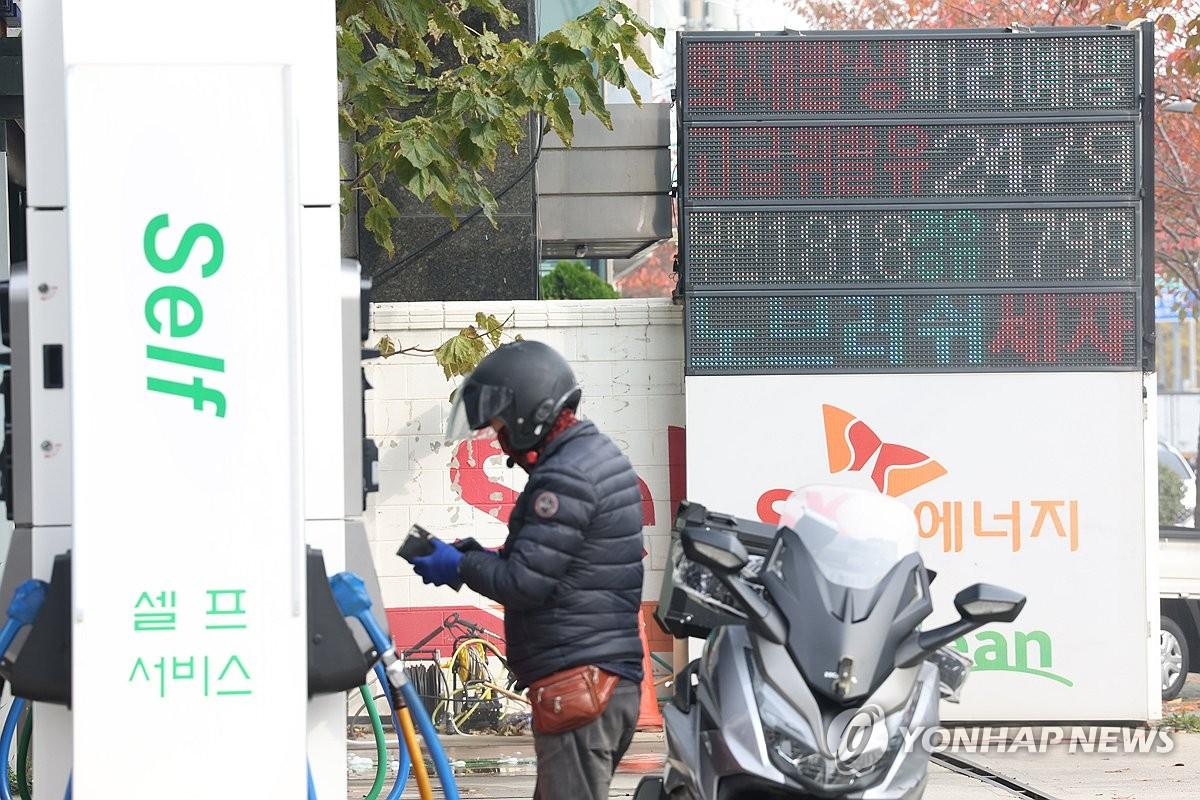
The Ministry of Trade, Industry and Resources confirmed that the maximum prices for gasoline, diesel, and kerosene will remain at 1,784 won, 1,773 won, and 1,380 won per liter, respectively. These caps have been in place since June 27, following a reduction on June 26.
Despite recent fluctuations in international oil prices, with Brent crude dipping below $100 per barrel, the current prices remain significantly higher than those recorded earlier in the summer. The government aims to alleviate upward pressure on consumer prices amid these elevated costs.
The fuel price caps were initially introduced in mid-March to stabilize domestic fuel prices amidst supply chain disruptions caused by the U.S.-Iran conflict. Officials have indicated that they will continue to monitor the situation closely and adjust measures as necessary to safeguard the economy.
Where it matters
Related coverage

Kia's Domestic Electrified Vehicle Sales Surpass 300,000 Units in 2026
ICT Ministry to Inspect Domestic Disruptions After Microsoft Services Outage
ICT Exports Reach Record Growth in October Amid AI Boom