Money Supply Continues to Rise in September Driven by Short-Term Deposits
South Korea's money supply increased in September, indicating trends in spending and investment.
South Korea's money supply increased in September, indicating trends in spending and investment.
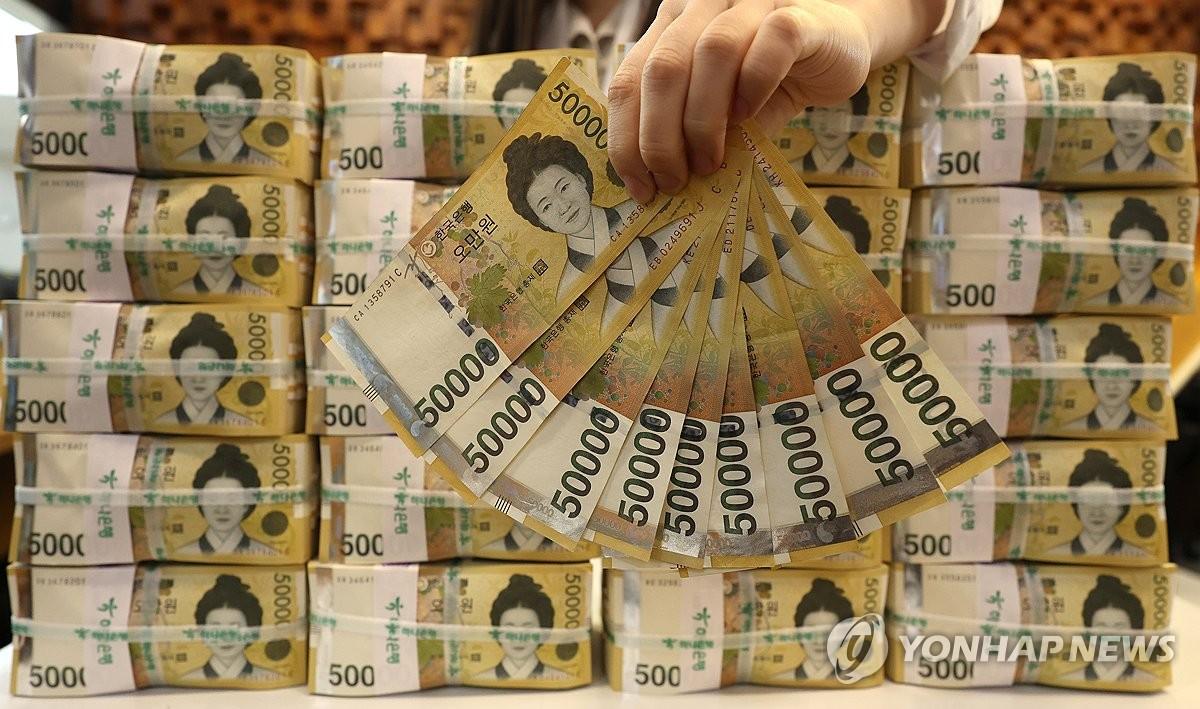
In September, South Korea's money supply saw a continued rise, primarily fueled by an increase in short-term deposits and money trusts. According to the Bank of Korea, the M2 measure, which includes cash and easily convertible financial instruments, reached an average of 4,283.9 trillion won (approximately $3.2 trillion). This marks a 0.4% increase from the previous month, continuing a steady upward trend since November of last year.
The rise in money supply is attributed to a significant increase in short-term deposits with maturities of less than two years. Specifically, liquidity held by households and nonprofit organizations rose by 12.6 trillion won, while financial institutions also saw an increase of 5.2 trillion won. However, liquidity held by nonfinancial corporations decreased by 3.3 trillion won, indicating varying trends across different sectors.
This increase in money supply may suggest potential growth in consumer spending and investment, as more liquidity in the market can lead to higher economic activity. Analysts will be closely monitoring these trends to assess their impact on the broader South Korean economy.
Where it matters
Related coverage

Kia's Domestic Electrified Vehicle Sales Surpass 300,000 Units in 2026
ICT Ministry to Inspect Domestic Disruptions After Microsoft Services Outage
ICT Exports Reach Record Growth in October Amid AI Boom